It’s Brunching Season
Filed under: Seasonal, Recipes
After trudging through the long, cold winter, it’s finally the season we’ve all been itching for—spring. It’s the smell of fresh air, the brightness of blossoms and, more importantly, it brings the most important meal of the weekend back into our lives. Brunch.
From bourbon infused maple syrup to bourbon-glazed ham to bourbon bacon and eggs, we encourage you to set the standards at the start of brunching season by serving up your favorite recipes with only the biggest, fullest flavors of Knob Creek® Bourbon.
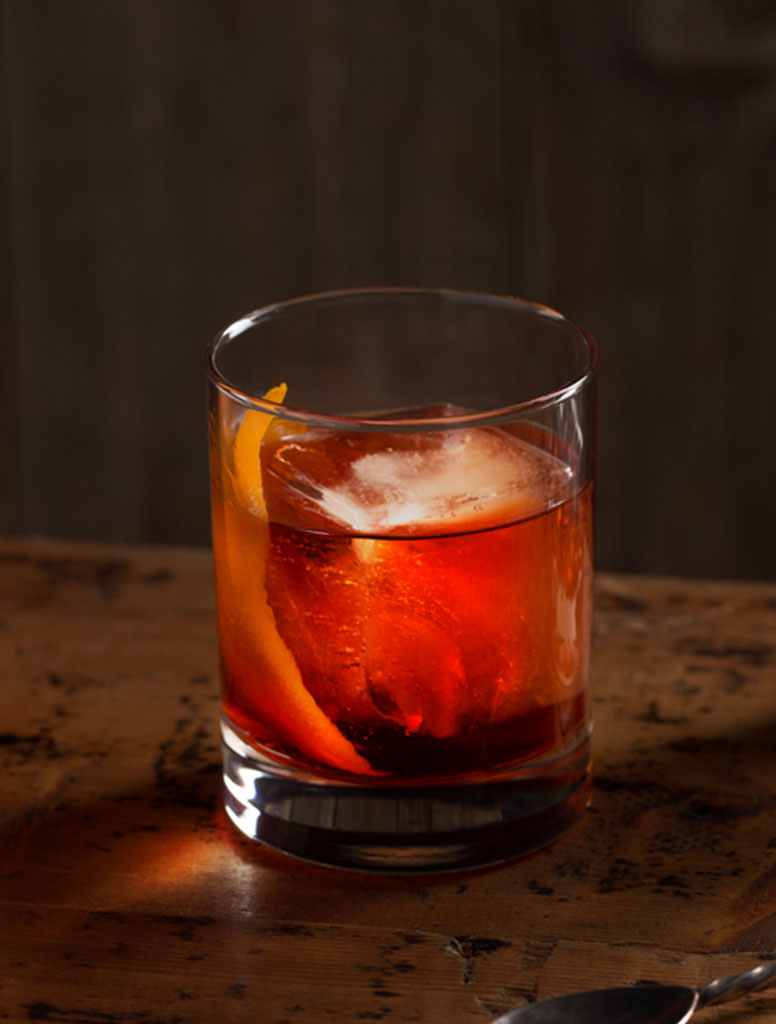
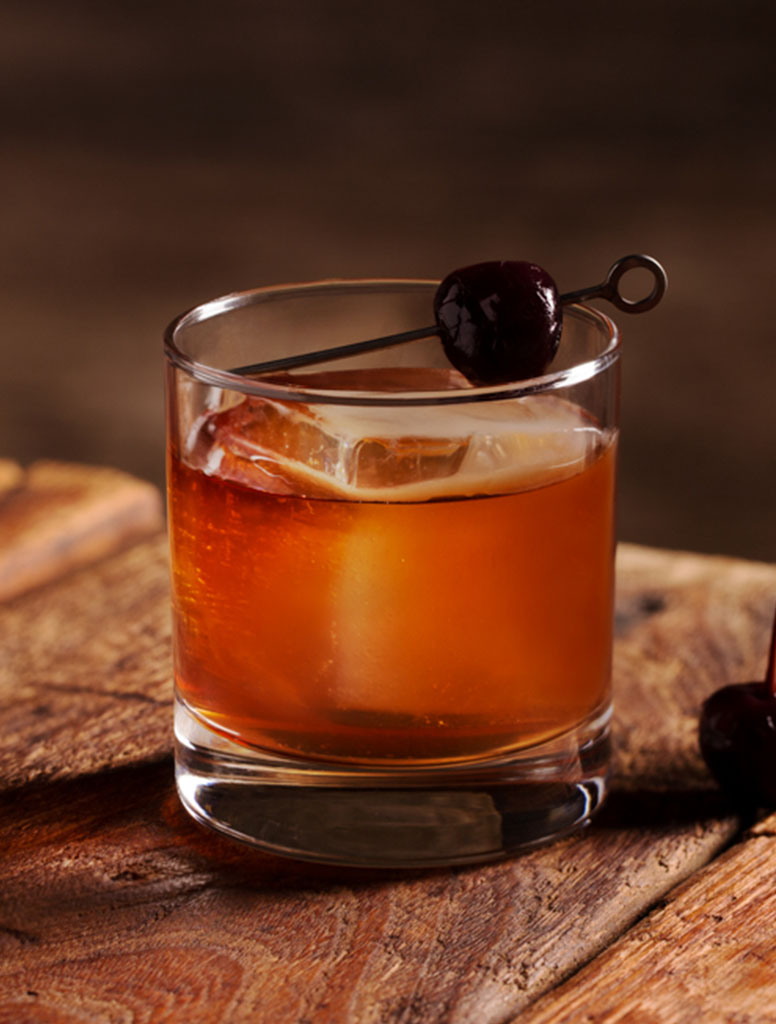
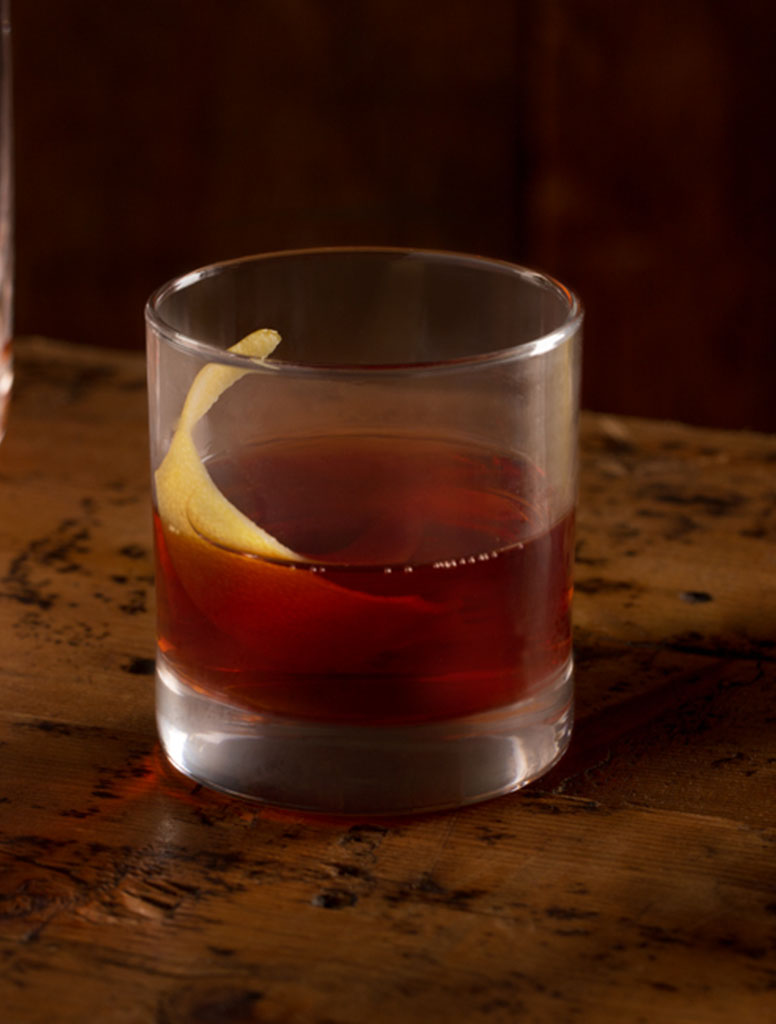
Sure bourbon warms your bones in the thick of winter, but it can also take on a refreshing taste of a springtime cocktail or become a big flavor that transforms French toast into what we like to call Kentucky Breakfast Toast. So, check out a couple of Knob Creek® Big Brunch recipes to start your spring weekends off right. Cheers!

Welcome to the Big League
Filed under: Bourbon History

Now that it’s officially spring, we think it’s okay to talk about baseball. With a long season and an even deeper history, it’s no wonder that America’s Spirit and the Nation’s Pastime go back a ways. In 1882, the owners of the original six baseball teams controlled professional baseball. At the time, baseball was believed to be a gentleman's game. There were set standards and morals that were expected to be upheld. Liquor wasn't sold in the parks, Sunday games were prohibited, and admission was at a premium to keep out the common folk.
However, in the late 1800s, baseball would never be the same. Enter the American Association. While the owners of the original major league teams prohibited selling alcohol on their grounds, the ban did not apply to the AA. Breweries and distilleries backed several AA teams, deeming it the “Beer and Whiskey League.” The other owners applied the name as an insult to the league’s mischievous ways, but the fans of the Association's clubs embraced and celebrated the gesture.
The “Beer and Whiskey League” stayed true to its nickname, steering the most free-spirited years in baseball history—challenging the original professional baseball league by cutting admission in half, playing on Sundays, selling liquor in ballparks, all while fielding exceptional players.
So while you root for your team this season, use the 7th inning stretch to pour yourself a glass of big bourbon and say thanks to the “Beer and Whiskey League” for their services in introducing the American spirit to our greatest pastime.
Guest Article: The Timeless Standards of the Kentucky Derby Style (Courtesy of Red Clay Soul)
Filed under: Seasonal, Bourbon Bits
Beautiful Louisville, Kentucky. Churchill Downs. On Saturday, May 4th, the thoroughbreds will thunder around the track on their ‘run for the roses’. While the horse race gets all the TV coverage, the traditions and style are on full display at the track. Mint Juleps, the ladies’ hats, and ‘My Old Kentucky Home’ are long-standing traditions that make the day. For the guys who knows their Derbies, there are standards. Standards in the way we look, the way we carry ourselves, and in what we drink. Whether you are watching the race from the infield or up in the stands, make sure you look good by dressing the part:

- Persol 3028 Sunglasses: First and foremost, it’s important to protect your eyes during the day-long tailgating festivities. Secondly, these are great for doing some incognito people watching. Staring is rude, unless they can’t tell. www.persol.com
- Brooks Brothers Tan Suit: Let’s be honest. You want to look like a man who knows what you are doing at the Derby. Wear a suit. A good suit. Since it’s springtime, a tan suit is the perfect pallet to add some punch. www.brooksbrothers.com
- Sid Mashburn Pocket Square: Think of this as your napkin for the day. It’ll start as suit pocket decoration, and eventually serve to wipe the bourbon off your chin, dab the sweat off your forehead, and later on to dry your tears when your pick doesn’t take the top prize. www.sidmashburn.com
- State Traditions Kentucky Hat: This may spend the first part of the day in your date’s purse, but there is a time and place for all hats at the Kentucky Derby. Don’t let the ladies be the only ones to join in the fun. www.statetraditions.com
- Ledbury McGuire Gingham Shirt: Add some color to that tan suit with a bright Kentucky blue gingham. The fit is spot on, and the style is timeless. www.ledbury.com
- Smathers & Branson Jockey Silk & Derby Flask: You never know when the line for refills is too long, so prepare accordingly. Fill this bad boy up with some Knob Creek and share accordingly. Don’t lose this one though; it may end up being your lucky flask. www.smathersandbranson.com
- Smart Turnout Royal Horse Artillery Socks: Of course, socks are optional, so if you choose to partake, keep with the Kentucky blue theme. www.smartturnout.com
- Southern Proper Dixie Dot Neck Tie: A timeless yellow tie that will be the finishing touch to your ensemble. Tie the right knot, though – stick with the Windsor. www.southernproper.com
- Johnston & Murphy Ellington Saddles: Break out those saddles. This is as good a time as any. Remember that there is a good chance these could show some wear after a day at the Derby, but that is no excuse for great style. www.johnstonmurphy.com
Thanks to Red Clay Soul for the article.
Feast on The Whole Beast.
Filed under: Big Flavor Dinners

There’s much to be said for respecting the pig enough to eat the whole beast after you kill it. That is the trend that’s been happening across the nation in the last few years. Restaurateurs, chefs and farmers are embracing the age-old philosophy of nose-to-tail eating, which is pretty simple; eat all of it, not just the chops, ribs or rump. But damn that rump is good.
It’s a nice departure from how most of us obtain our meat – packaged in plastic or on display in the butcher’s showroom. This new culinary trend takes you into the backroom, and demonstrates how to use the entire beast to enjoy a range of different flavors and a more sustainable lifestyle.
We think this style of cooking is right up our alley – big flavors the way they were meant to be. So in 2013, we’re introducing the Knob Creek® Big Flavor Dinner Series for a nose-to-tail experience like no other. Bourbon’s biggest fans, The Original Brothers of Bourbon, are gathering in 13 cities as local chefs prepare the whole beast and bartenders build massively flavorful cocktails.
Ready to join us for dinner? Join OBOB today to be the first to hear about a Knob Creek® Big Flavor Dinner Series near you.
World War II Delays Bourbon Comeback
Filed under: Bourbon History
The celebration was over before it even started. Immediately following Prohibition, many Bourbon distilleries struggled to reopen. And by the time some were back up and running, they were once again halted with the surge of World War II.
During WWII, many distilleries were converted and used for medicinal and fuel alcohol purposes. Penicillin was just invented using a fermentation process. And naturally, distilleries were an ideal setting to produce it in mass quantities.
Despite a few minor historical hiccups, Bourbon distilleries rallied and persevered, making it the strong, American spirit it is today. And at Knob Creek, we pay homage to Bourbon history more than anyone else. We go all the way back to its earlier times, restoring the standards of pre-prohibition-style Bourbon. We are straight Bourbon with only the biggest flavors. 100 proof. The way it was meant to be.
Here’s to history. Let’s never forget it.

With Big Bourbon, Comes Big Responsibility
Filed under: Bourbon History, Bourbon Bits

We are Bourbon. And as the leading international symbol of Kentucky craftsmanship and tradition, the Kentucky Distillers’ Association was formed as a non-profit organization to protect America’s official native spirit.
The KDA dates back to 1880 when 32 distillers gathered together at the Galt House in Louisville, KY to organize and protect Bourbon from “needless and obtrusive laws and regulations.” For decades, they battled to reduce whiskey taxes and insurance fees, while also addressing other significant issues of the time. Unfortunately, the group inevitably folded under the overpowering Prohibition.
What knocked them down only made them stronger. The KDA was revived in early 1936, after a core group representing distilling companies banded together to end Prohibition in Kentucky, which was successfully repealed in November 1935. The association continued to carry out its mission on behalf of distilled spirits, serving as a liaison during World War II on alcohol production and promoted Bourbon as the global export for the Nation.
And though much has changed over the years, the KDA’s mission to protect the trade interests of the industry has stayed true. Today, the KDA’s membership has consolidated to six companies representing seven distilleries that account for 95% of the world’s Bourbon, including yours truly.
So, when you’re in the area, make sure you raise a glass of full-flavored Knob Creek to salute the KDA and those who stand for big bourbon. And while you’re at it, check out the Kentucky Bourbon Trail tour of the state's legendary distilleries.
Knob Creek Neat - Mixology Part 1
Filed under: Recipes
Enjoy our most popular cocktail. You'll need big bourbon, a glass and hands.
New, White Oak Char makes the Bourbon
Filed under: Bourbon History, Bourbon Bits
The thing about Bourbon is that it’s very patient and very particular in how it’s made, especially the barrels. Unlike its whiskey brothers, our Bourbon is only aged in new, white oak barrels to really draw out the bold characteristics from the wood.
A Bourbon barrel is formed when wood is cut into staves, then heated and bowed to form a cylindrical container. The barrel is then sent through a small fire for about 12 minutes, to caramelize the sugar and “toast” the wood. It is then directed into a larger fire for 6 to 12 seconds, to burn out the inside, forming an even charcoal layer. There are 4 levels of charring and many bourbons stop at level 2 or 3. Knob Creek always uses a level 4 char, the highest, to ensure the biggest flavor possible. The new, white oak barrels are then filled to the brim with the high wine and ready for aging.
During the aging process with varying seasonal temperatures, the liquid matures as it “breathes,” moving ¾ of an inch in and out of the 1-inch thick new, white oak barrel. The expanding and contracting liquid in and out of the caramelized layer of charred wood inside the barrel, gives it that distinctive big Bourbon flavor and color. Straight Bourbon whiskey must age a minimum of two years. But we think patience brings perfection—so we age our small batch Bourbons for nine years.

Quick Fire Grilling Tips: Episode 4, Serving
Filed under: Recipes
See more Knob Creek recipes created by Michael Symon at http://www.youtube.com/knobcreek
The Lowdown on Bourbon Street
Filed under: Bourbon Bits, Recipes

Bourbon Street – the infamous strip of revelry running between Canal and Esplanade in the heart of New Orleans – seems to be the most aptly named stretch of road in the entire United States. Truth be told, while the name of the thirteen-block strip of Mardi Gras and America’s native spirit Bourbon are certainly linked, it’s not for the reasons that many believe.
It might come as a shock to those outside the state of Louisiana, but in spite of the prevalence of cocktailing opportunities it offers, Bourbon Street was not named after Bourbon Whiskey.
In 1721, French Royal Engineer Adrien de Pauger completed the difficult task of designing and planning the port city settlement of New Orleans for the French colony of Louisiana. In what could be considered a rather shrewd and calculated political move, de Pauger named each of the streets after Catholic Saints and French Royal Houses, reserving the name of the main road in the Vieux Carre for France’s ruling family, the House of Bourbon. Despite the dominion of New Orleans subsequently being passed from France to Spain, back to France, and then ultimately to the United States, de Pauger’s homage to the Bourbons remains as he intended.
So what about Bourbon, the whiskey? It actually originated from an area known as Old Bourbon, what is now called Bourbon County, Kentucky, which was also named after the French House of Bourbon. We consider it the royal family’s biggest accomplishment.
If all that history has made you thirsty, there’s no better Bourbon cocktail to toast during Mardi Gras than the legendary Sazerac. A cocktail that endured a rather lengthy hiatus when the importation and sale of absinthe was banned between 1912 and 2005, the Sazerac began its life in New Orleans as a cognac-based cocktail served at the Sazerac House. But when an epidemic devastated France’s grape crops, the proprietors turned to Bourbon. Lucky for us.
The Sazerac
2 parts Knob Creek Bourbon Whiskey
2 parts absinthe
1 sugar cube
3 dashes Peychaud’s bitters
Lemon twist
Fill an old-fashioned glass with ice to chill. In a separate glass, muddle the sugar cube and Peychaud’s bitters. Add Knob Creek and ice. Stir well. Discard the ice in the chilled glass and rinse it with absinthe by pouring a small amount into the glass, swirling it, and discarding the remainder. Strain the Knob Creek, bitters, and sugar mixture into the absinthe rinsed glass. Release the lemon twist over the glass and discard.
If it wasn’t for winter, would there be Bourbon?
Filed under: Bourbon History, News
It’s February, and by now a large percentage of folks living on Kentucky’s hemisphere have had their fill of not-so-friendly temperatures. While the dry, bitter cold wreaks hell on the roads, skin and utility bills, it is an integral component in the process that gives Kentucky Bourbon Whiskey a character and flavor that sets it apart from whiskies aged in other parts of the world.
Kentucky’s climate is one that presents vast fluctuations in temperature and humidity between the summer and winter months. These fluctuations cause a great deal of expansion and contraction of both the whiskey and barrel over the course of aging, a dynamic that expedites the whiskey’s exposure to the caramelized sugars in the aging barrel’s inner layer of charred white oak. This expedited movement of whiskey in and out of the wood – called ‘breathing’ – mellows Kentucky Bourbon Whiskey at a faster rate than whiskey aged in damper, more consistent climates like Scotland and Ireland. Add the deepest barrel char and nine years of aging to the process and Knob Creek’s unique and magnificent taste experience is created.
So, if you find yourself cursing the cold this February, take some comfort in knowing that over at Knob Creek, the damn cold weather is doing a damn good job at giving you that big, full flavor.

February tries harder. Sure as heckfire.
Filed under: Seasonal, News
If you aren’t a big fan of February, you’re not alone. Back in the 8th century BC, when Roman King Numa Pompilious established the basic Roman Calendar, he shortchanged February in order to accommodate a 355 day calendar for a number of reasons, but mainly because it was the empire’s least favorite time of year. And years later, when Julius Caesar added 10 more days to the calendar, once again, February got the short end of the stick.
Thankfully, February never developed a Napoleon Complex, and in the centuries since, has worked to overcome its image by offering ample opportunities to raise a glass. Between Super Bowl Sunday, Mardi Gras and President’s Day weekend, February’s calendar takes full advantage of its shortened month. And you should too.
Thanks to the way the days of 2013 fall, an added bonus in 2013 is that Groundhog Day (February 2nd) will fall on a Saturday. And whether you choose to spend the day waiting on a petulant rodent or watching Phil Conners repeat the same day over and over, either activity is a perfect excuse to enjoy a Kentucky Groundhog.

The Kentucky Groundhog
2 parts Knob Creek Bourbon Whiskey
1 part sweet vermouth
1 part fresh lime juice (one lime, squeezed)
1 thick cut lime wedge for garnish
Fill a shaker with ice. Add Knob Creek, sweet vermouth, and lime juice. Shake well and strain into a chilled cocktail glass. Then, garnish with lime wedge.
Lincoln’s Life near Knob Creek
Filed under: Bourbon History, News
"My earliest recollection is of the Knob Creek place," wrote Abraham Lincoln about his boyhood Kentucky home, the summer before he was elected as our 16th president of the United States. When it came time to name our pre-prohibition style small batch bourbon, we needed something equally as genuine for Kentucky. The answer was approximately 20 miles south of the distillery, where Knob Creek runs by Abraham Lincoln's boyhood home. From ages two to almost eight, Lincoln's experiences on the farm shaped his personality and forever connected him with the Bluegrass State.
Beyond uniting the nation, ending slavery and being a Kentuckian, Lincoln also had a number of other awesome traits that made him one of the best presidents of all time. Here are just a few of them. At 6' 4" Lincoln is the tallest president ever (tied with Lyndon Johnson). He was also the first president to rock a beard and the only to have a patent. He also was a great wrestler. All traits of strong Kentucky character just like Knob Creek Bourbon.
So that's the story behind our name. Nothing fancy, just rich Kentucky history and a hard-working man with great character who embodies the type of work and dedication we put into our bourbon.
Facts sourced from: A Lincoln Library.
Knob Creek Rye named “The World’s Best”
Filed under: News
20 years after Booker Noe introduced the world to Knob Creek's big signature flavor, we were very excited about offering another innovation based on his passion and dedication. And we wanted to continue his pre-prohibition inspired quality.
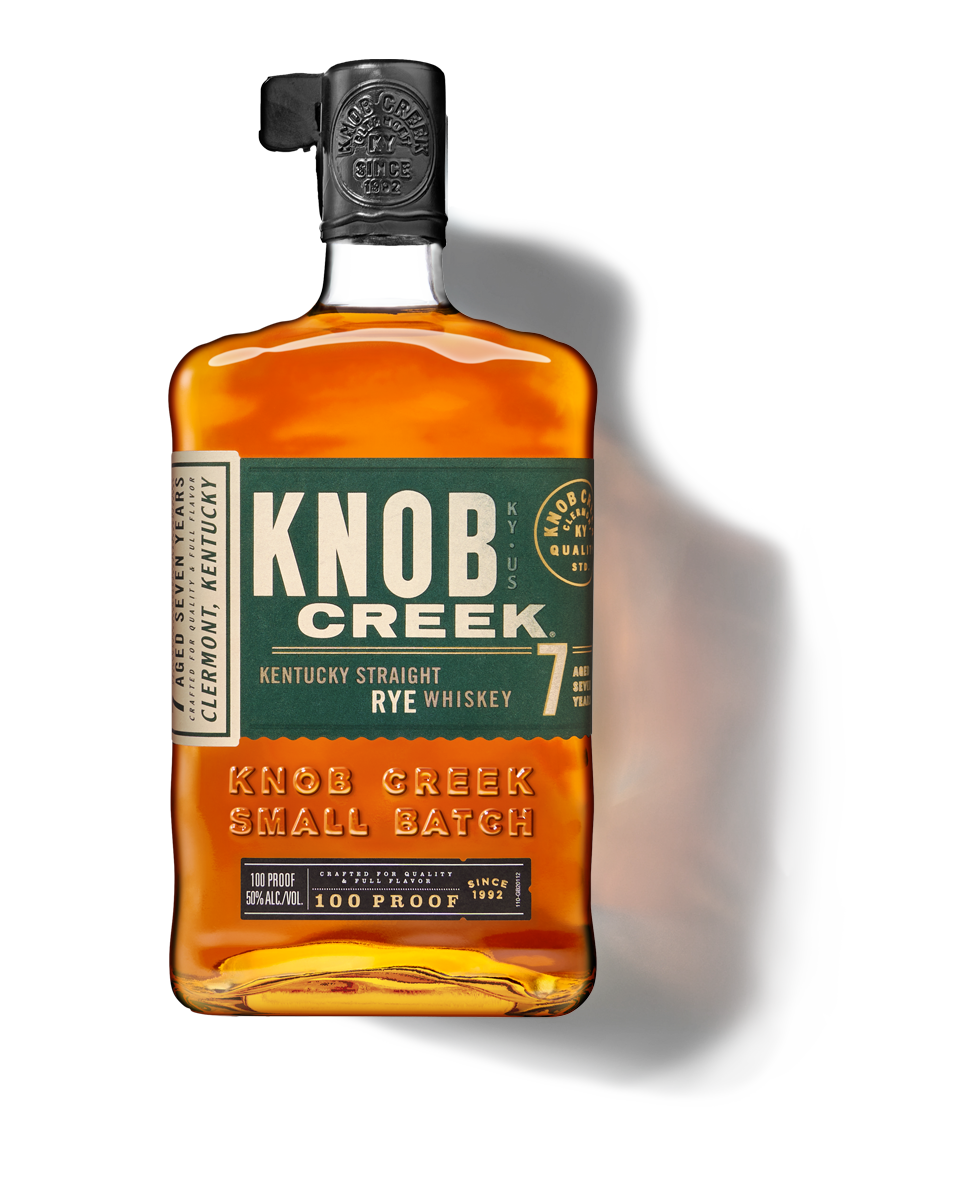
Before prohibition, rye whiskey was actually the most popular American whiskey, and it's having resurgence as of late. So we thought we'd give it a crack. What we didn't expect is that our first attempt at making Rye whiskey would turn out to be "The World's Best Rye" and win the Double Gold Medal at the 2012 San Francisco World Spirits Competition.

Our rye is patiently aged and has a big, bold flavor. From spicy to exceptionally smooth, it brings the rich and savory rye flavors through, start to finish. It's made with a blend of the highest quality rye grains and bottled at a full 100 proof, just like our original bourbon.
So if you're a fan of our big Knob Creek flavor, a rye fan, or both, you should taste this for yourself, and let us know what you think on Facebook. Try it neat first and then see how well it works mixing cocktails.
Rye Whiskey vs. Bourbon: What’s the Difference?
Filed under: Bourbon Bits, News

Bourbon and Rye Whiskey are both American classics that have played important roles in building industry, shaping commerce, and establishing the new frontier.
Both follow the same process. The grain is milled, mashed, cooked, fermented, distilled, barreled and aged. Both are to be distilled to no more than 80% alcohol (160 proof) and aged in new charred oak barrels. And to be considered "straight" (the only way we do things), both need to be aged for at least two years and can have no added coloring or flavor.
The biggest difference is the key ingredient: corn vs. rye. Bourbon must be made from a grain mixture that is at least 51% corn, whereas rye whiskey must be made from a grain mixture that is at least 51% rye. However, corn, rye, wheat and malted barley can be used for bourbon and rye whiskey in different proportions so long as the 51% rule is met.
Generally, bourbon is enjoyed neat, with a little water or over ice. Some enjoy bourbon in cocktails while others hate the idea. Rye, however, is enjoyed by most in classic and contemporary cocktails, but is also great simply neat or with ice.
We suggest you try both ways, decide for yourself and let us know what you think on Facebook.